
Roses show up at some of the most emotionally charged moments in a relationship. First dates. Apologies. Anniversaries. Milestones that don’t always come with words. Yet very few people stop to think about why roses carry so much weight in romantic relationships, or why certain roses feel more appropriate at certain stages than others.
Understanding rose symbolism in relationships isn’t about memorizing color meanings. It’s about recognizing how roses communicate emotion when words feel insufficient. In this guide, we’ll explore why roses have become such powerful symbols of love, how their meaning shifts over time, and why lasting roses are increasingly chosen to represent long-term commitment.
Why Roses Became Symbols Of Love In The First Place
Roses have been associated with love for centuries, but not because they’re delicate or decorative. Their symbolism comes from contrast. Roses are beautiful, but they have thorns. They’re soft, yet resilient. They bloom fully, but only after time and care.
In relationships, these qualities mirror emotional reality. Love isn’t just attraction. It involves vulnerability, patience, and endurance. Roses reflect that balance better than almost any other flower, which is why they’ve remained central to romantic expression across cultures and generations.
How Roses Communicate Emotion Without Words
One reason roses are so powerful in relationships is that they remove the pressure of explanation. Giving a rose doesn’t require a speech. The meaning is understood instinctively.
In early relationships, roses often signal interest and admiration. As relationships deepen, roses begin to represent reassurance, loyalty, and emotional presence. The flower stays the same, but the meaning evolves alongside the relationship itself.
Rose Symbolism Changes As Relationships Mature
In new relationships, roses tend to represent excitement and possibility. They’re often given spontaneously, driven by emotion in the moment. At this stage, the symbolism is light and hopeful.
In long-term relationships, roses take on a heavier meaning. They become symbols of continuity rather than novelty. Giving a rose after years together often says, "I still choose you," rather than "I’m trying to impress you." That shift is subtle but significant.
This is why many couples move away from temporary bouquets over time and toward roses designed to last. The symbolism begins to align more closely with permanence than passion alone.
What Different Rose Forms Represent In Relationships
Fresh roses symbolize immediacy. They’re about the present moment. They express emotion now, without concern for tomorrow. That makes them ideal for surprises, celebrations, and spontaneous gestures.
Preserved roses symbolize intention. They say the feeling is meant to last beyond the day it’s expressed. These roses are often chosen for anniversaries or meaningful dates when longevity matters.
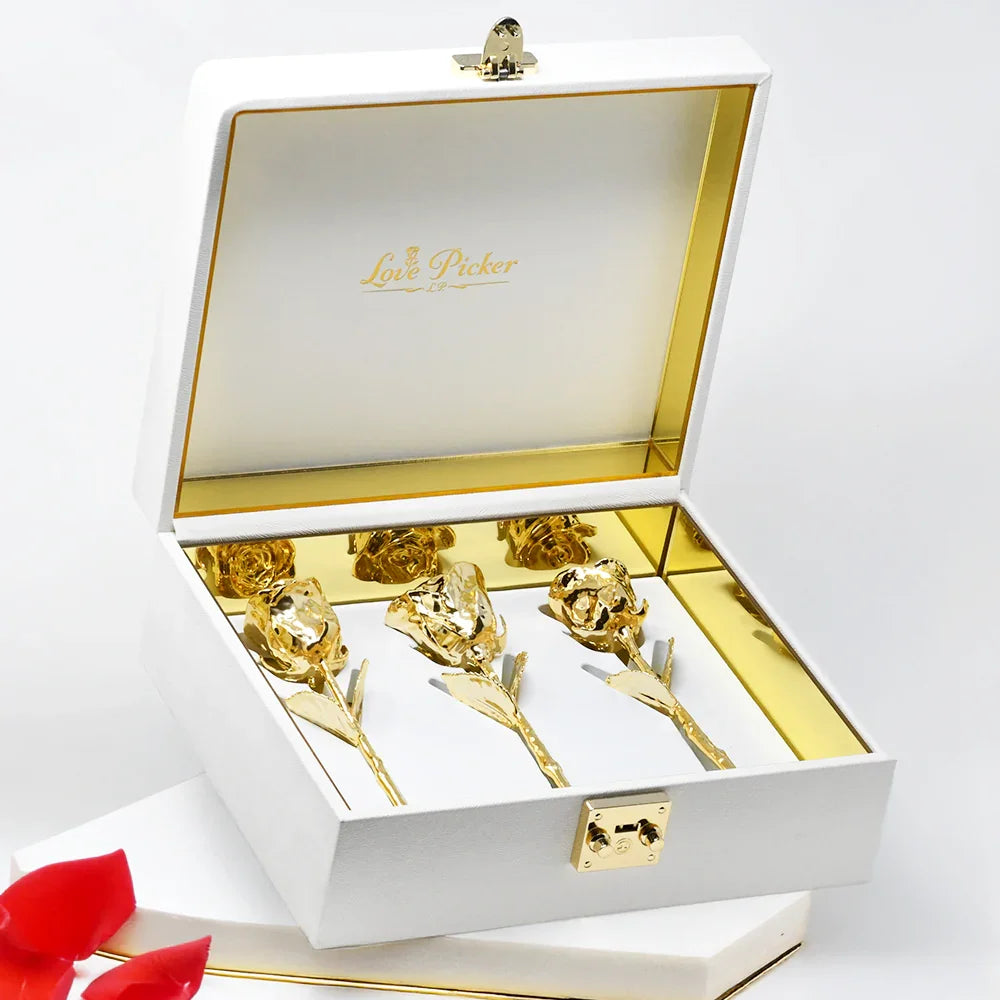
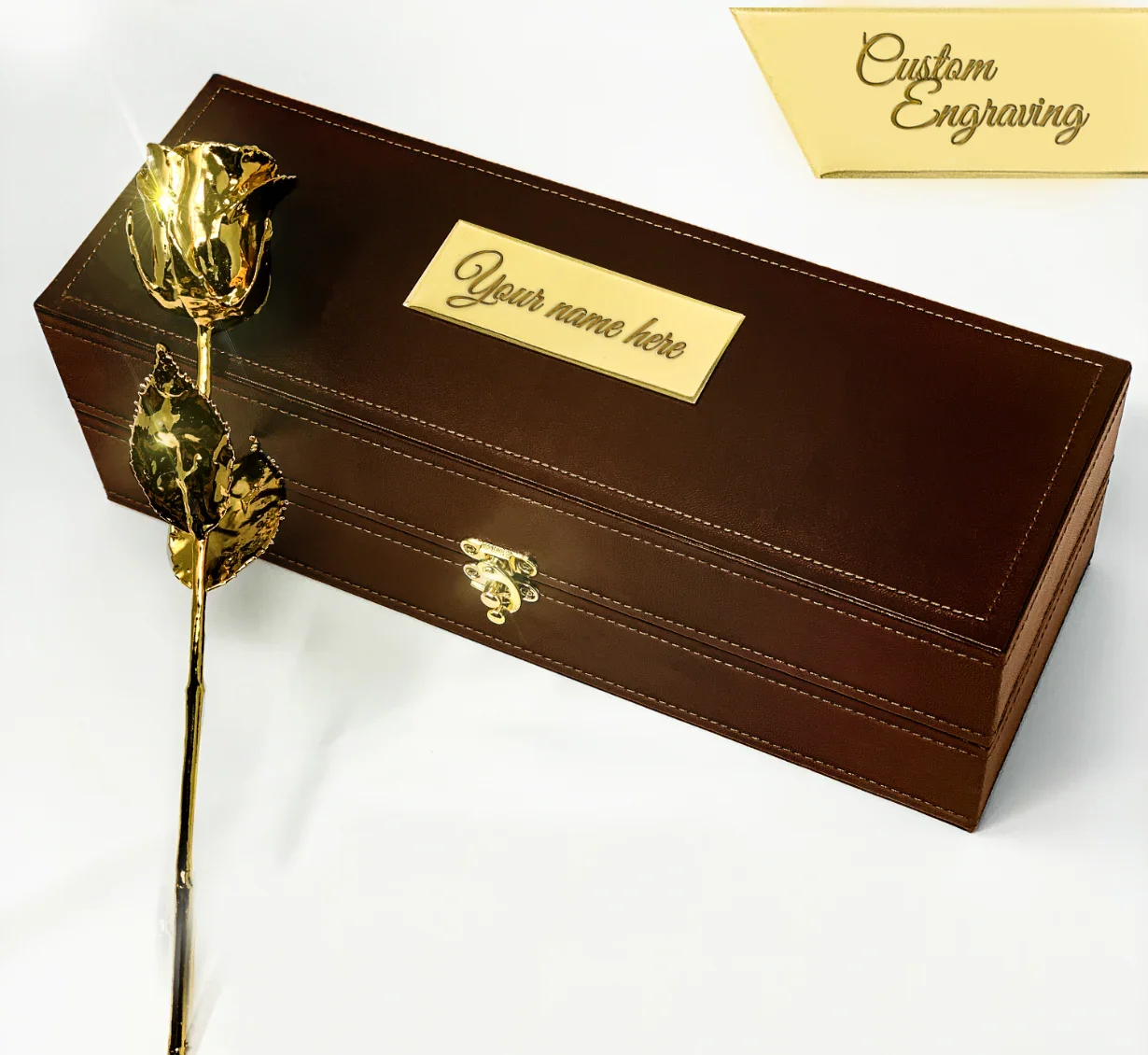
Metal-finished roses symbolize permanence. They represent commitment that isn’t conditional or fleeting. In relationships, this form of rose symbolism often aligns with milestones that mark stability rather than transition.
LovePicker focuses on this deeper layer of symbolism by offering roses that don’t fade, allowing the emotional message to remain present long after the occasion itself.
Color Symbolism And Emotional Nuance
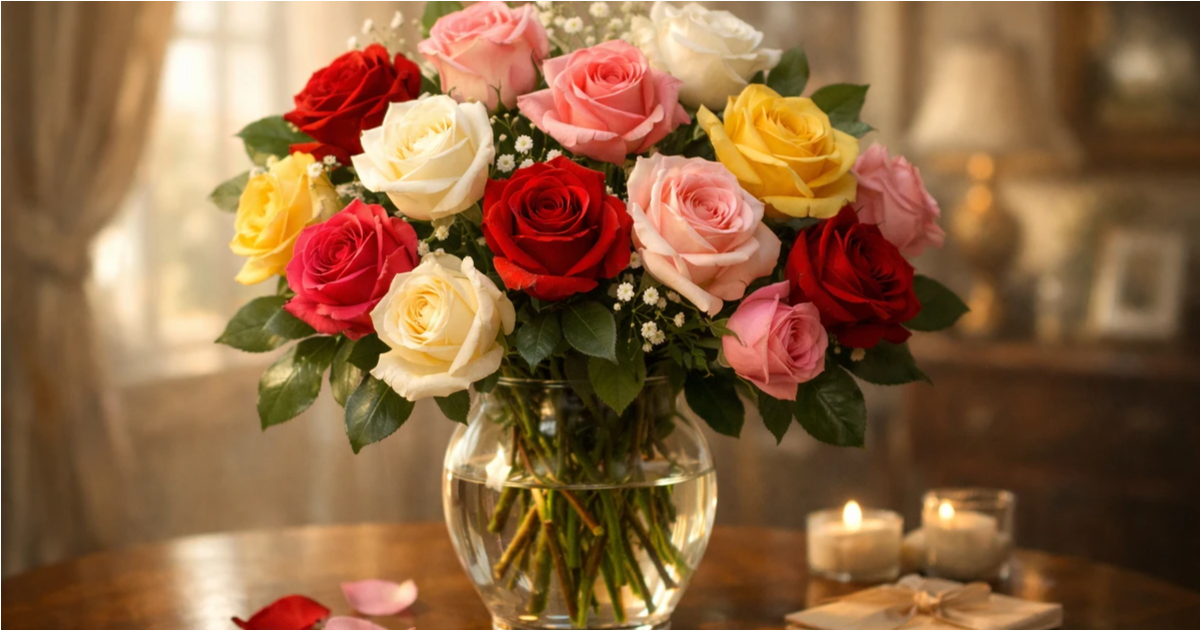
While red roses are the most recognized symbol of romantic love, color adds emotional nuance rather than defining meaning outright. White roses often symbolize respect and sincerity. Pink suggests affection and warmth. Gold and metallic finishes represent value, devotion, and long-term significance.
In relationships, color choice often reflects emotional tone rather than strict definitions. The key isn’t memorizing meanings, it’s choosing a rose that feels aligned with the message you want to send.
Why Lasting Roses Resonate In Modern Relationships
Modern relationships place a high value on meaning over performance. Many people want fewer gestures, but more intentional ones. Roses that last fit this shift because they turn a familiar symbol into something enduring.
Instead of repeating the same gesture over and over, a lasting rose becomes a single, continuous reminder of connection. Each time it’s seen, it reinforces the relationship rather than replacing it. This is why lasting rose designs have become increasingly popular for long-term couples.
When Roses Become Reminders, Not Just Gifts
A rose that stays visible becomes part of daily life. It moves from being “the gift you gave” to “the thing that reminds us.” That transition deepens its emotional role in the relationship.
This is where rose symbolism in relationships reaches its fullest expression. The rose no longer marks just one moment. It represents the ongoing presence of care, attention, and commitment.
Avoiding Empty Gestures
Roses lose their meaning when they become routine or obligatory. Giving roses out of habit rather than intention can dilute their symbolism. That’s why it matters to consider when and why a rose is given.
A single rose chosen thoughtfully often carries more weight than repeated gestures without emotional clarity. Symbolism thrives on intention, not frequency.
Choosing Roses That Match the Relationship Stage
The most meaningful rose gifts align with where the relationship actually is. New relationships benefit from light, expressive gestures. Established relationships benefit from gifts that acknowledge history and stability.
LovePicker’s approach reflects this understanding by offering rose designs meant to serve different emotional stages rather than a one-size-fits-all expression.
Conclusion
Rose symbolism in relationships isn’t static. It evolves as love deepens, matures, and stabilizes. What begins as attraction becomes reassurance. What starts as passion becomes permanence.
Roses endure as symbols of love because they adapt without losing meaning. And when chosen thoughtfully, especially in forms designed to last, they stop being gestures and start becoming quiet affirmations of connection that continue long after the moment they were given.