

Preserved roses are often described as low-maintenance, and for the most part, that’s true. But there’s one environmental factor that matters more than most people realize, and it’s rarely discussed until something goes wrong: humidity.
If you’ve ever noticed a preserved rose looking softer, darker, or slightly misshapen over time, moisture is usually the reason. Understanding the preserved roses’ humidity effect isn’t about being overly careful. It’s about knowing what these roses need not to be exposed to so they can stay beautiful for years instead of months.
Why Humidity Matters More Than People Expect
Preserved roses are real roses that have gone through a stabilization process. Their natural moisture is replaced with preserving agents that lock the petals into their original shape and color. That balance is delicate.
Humidity introduces moisture back into the environment. Over time, that moisture can slowly reverse parts of the preservation process. Unlike fresh flowers, preserved roses can’t adapt. They don’t dry out evenly or recover once exposed to excess moisture.
What Actually Happens When Humidity Is Too High
The effects of humidity don’t show up overnight. They’re gradual and often subtle at first. Petals may begin to feel softer than they should. The structure of the rose can start to lose firmness. In some cases, color may deepen or look uneven.
These changes happen because preserved petals are absorbing moisture from the air. Once that absorption starts, it’s difficult to stop completely. This is why bathrooms, kitchens, and humid climates pose the greatest risk to preserved roses.
Common Signs Humidity Is Affecting Your Preserved Rose
One of the challenges with the preserved roses’ humidity effect is that people often mistake early signs for normal aging. Slight drooping, surface tackiness, or a change in texture can all indicate moisture exposure.
In more severe cases, petals may clump together or lose their defined edges. At that stage, the damage is usually irreversible. The rose hasn’t “expired,” but its preservation has been compromised.
Where Preserved Roses Should Never Be Placed
Bathrooms are the most common mistake. Steam from showers creates repeated moisture spikes that preserved roses can’t tolerate. Kitchens present a similar issue due to cooking steam and temperature changes.
Windowsills are another risk. Even if the room feels dry, sunlight combined with condensation can create micro-environments that introduce moisture over time. Preserved roses do best in stable, dry indoor spaces with consistent airflow.
How To Protect Preserved Roses From Humidity
The simplest protection is placement. Choose rooms with controlled temperature and low moisture levels. Bedrooms, living rooms, offices, and display shelves away from vents work best.
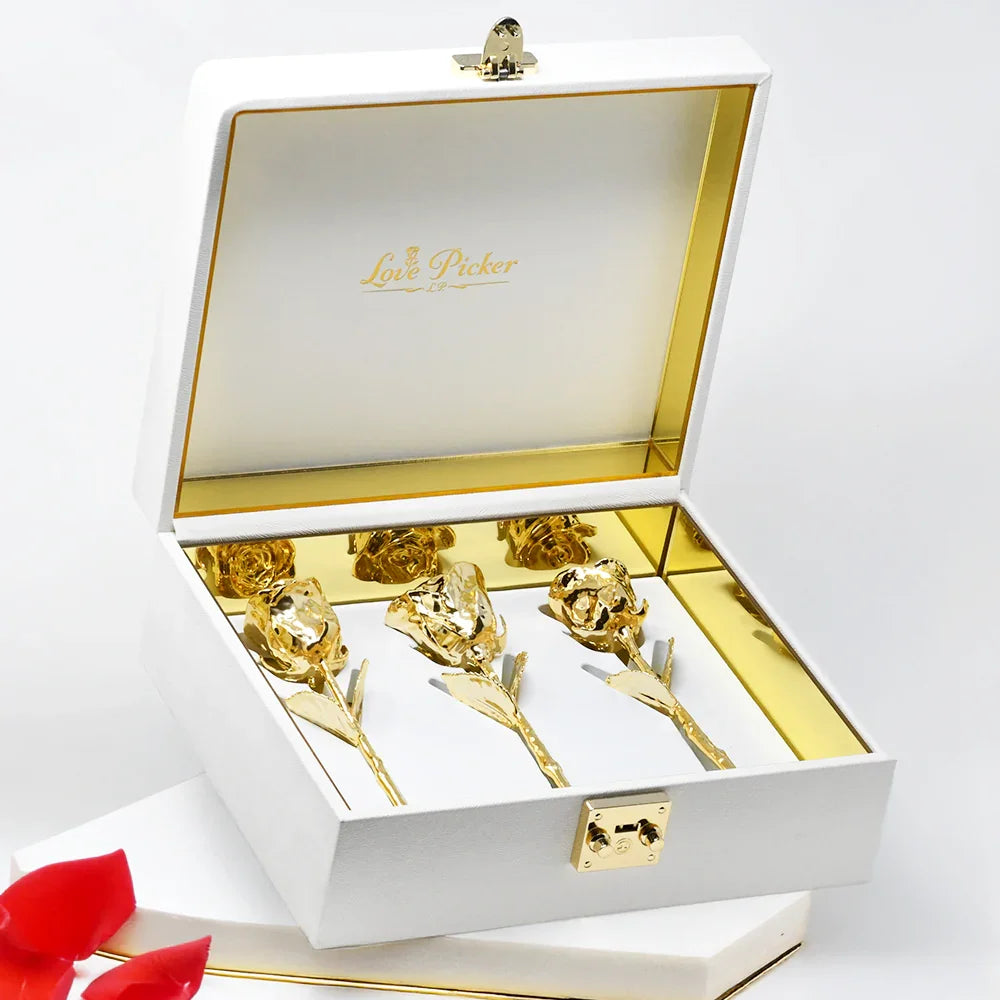
Display boxes and protective covers also help. They limit direct exposure to ambient moisture while still allowing the rose to be visible. This is why many preserved roses are packaged as display pieces rather than loose stems. LovePicker designs its rose presentations with this exact concern in mind, prioritizing protection as much as aesthetics.
Can Humidity Damage Be Reversed?
Unfortunately, once a preserved rose absorbs moisture, it can’t be fully restored. Removing the rose from a humid environment may prevent further damage, but it won’t return the rose to its original, preserved state.
This is why prevention matters more than correction. Understanding the preserved roses’ humidity effect early helps avoid disappointment later. These roses are durable in many ways, but moisture is their primary vulnerability.
Why Dry Climates Are Ideal For Preserved Roses
Preserved roses last longest in dry, climate-controlled environments. Low humidity keeps the preserving agents stable and the petals firm. This is why preserved roses often maintain their appearance for years when displayed correctly.
People living in naturally humid regions don’t need to avoid preserved roses altogether, but they do need to be more intentional about placement and display.
Preserved Roses Versus Metal Roses In Humid Conditions
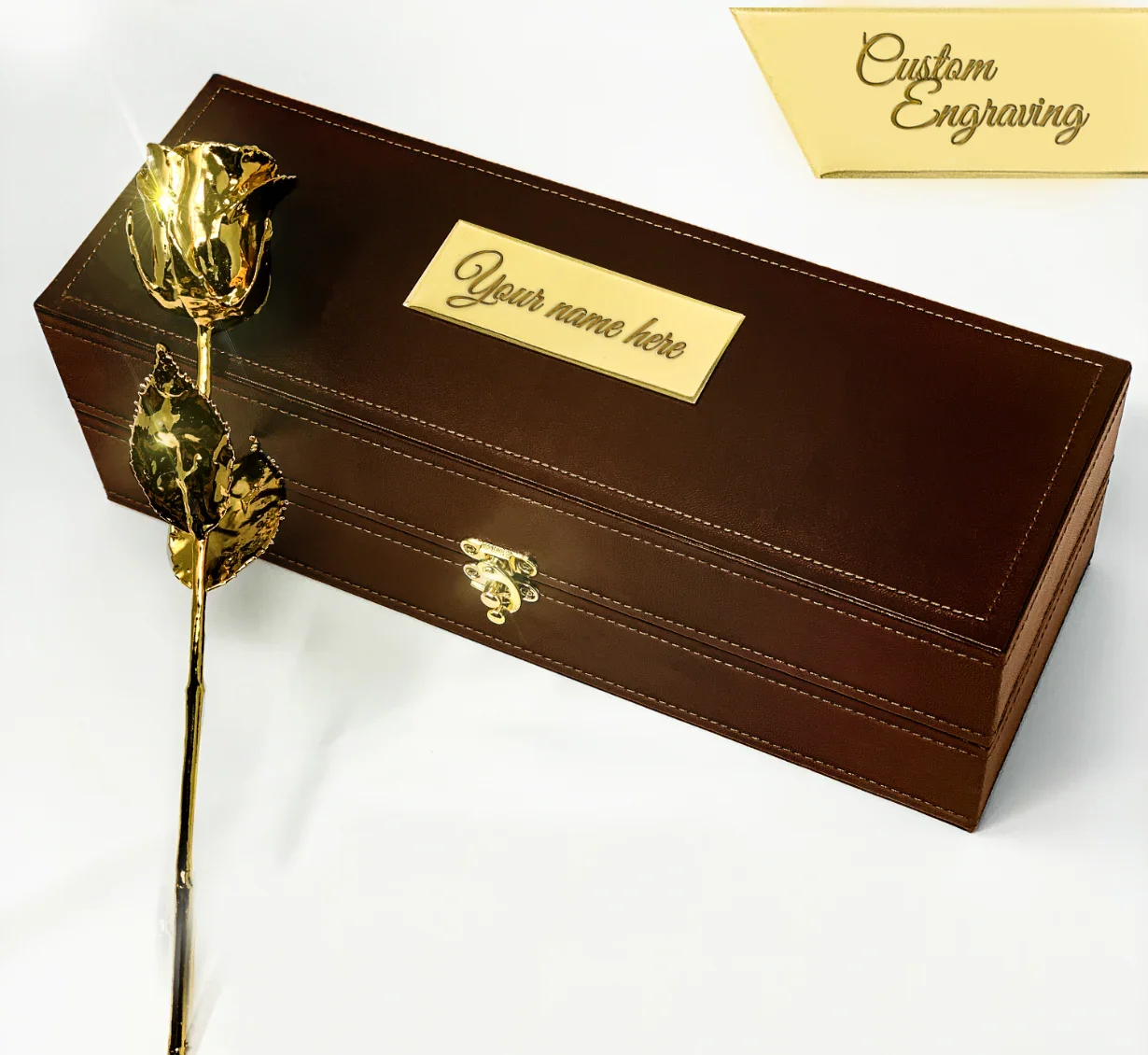
Humidity primarily affects organically preserved roses. Metal-finished roses are far less sensitive because the petals are sealed beneath metal layers. This makes them a better choice for environments where humidity can’t be fully controlled.
LovePicker offers both options so customers can choose based on lifestyle and environment rather than guesswork. Understanding where the rose will live is just as important as why it’s being given.
Why Humidity Doesn’t Mean Preserved Roses Are Fragile
It’s important to put this into perspective. Preserved roses aren’t fragile in the everyday sense. They don’t require watering, trimming, or constant attention. They simply require the right environment.
When cared for properly, preserved roses remain stable, beautiful, and meaningful for long periods. Humidity isn’t a flaw in the product. It’s a factor in the environment.
Final Note
The preserved roses’ humidity effect is subtle but significant. Moisture doesn’t ruin preserved roses instantly, but over time, it can quietly undo the very process that makes them last.
By understanding how humidity interacts with preserved roses and choosing the right placement and display, you protect both the beauty of the rose and the meaning behind it. When treated thoughtfully, preserved roses continue to do what they’re meant to do: remain present reminders of moments worth keeping.