
Almost everyone has the same reaction the first time they see the price of a forever rose. The pause. The quiet comparison to a grocery-store bouquet. The unspoken question: How can a single rose cost this much?
If you’ve ever wondered why forever roses are expensive, you’re not being cynical, you’re being practical. Price matters, especially when you’re choosing a gift meant to represent something meaningful. In this guide, we’ll break down what actually goes into a forever rose, what drives the cost, and why many people ultimately decide the value makes sense once they understand what they’re buying.
It Starts With A Real Rose, Not A Replica
The first cost factor is the flower itself. Forever roses begin as real roses, grown and harvested at peak bloom. Not every rose qualifies. Only those with ideal shape, petal density, and structural integrity are selected, because imperfections become permanent once the rose is preserved or finished.
This level of selection means many roses never make it past the first stage. That alone increases cost compared to mass-market bouquets, where uniformity and longevity aren’t priorities.
The Preservation or Finishing Process Isn’t Simple
Forever roses don’t last longer by accident. Preserved roses go through a careful stabilization process where natural moisture is replaced with preserving agents. This must be done slowly and precisely to prevent petal collapse, discoloration, or brittleness.
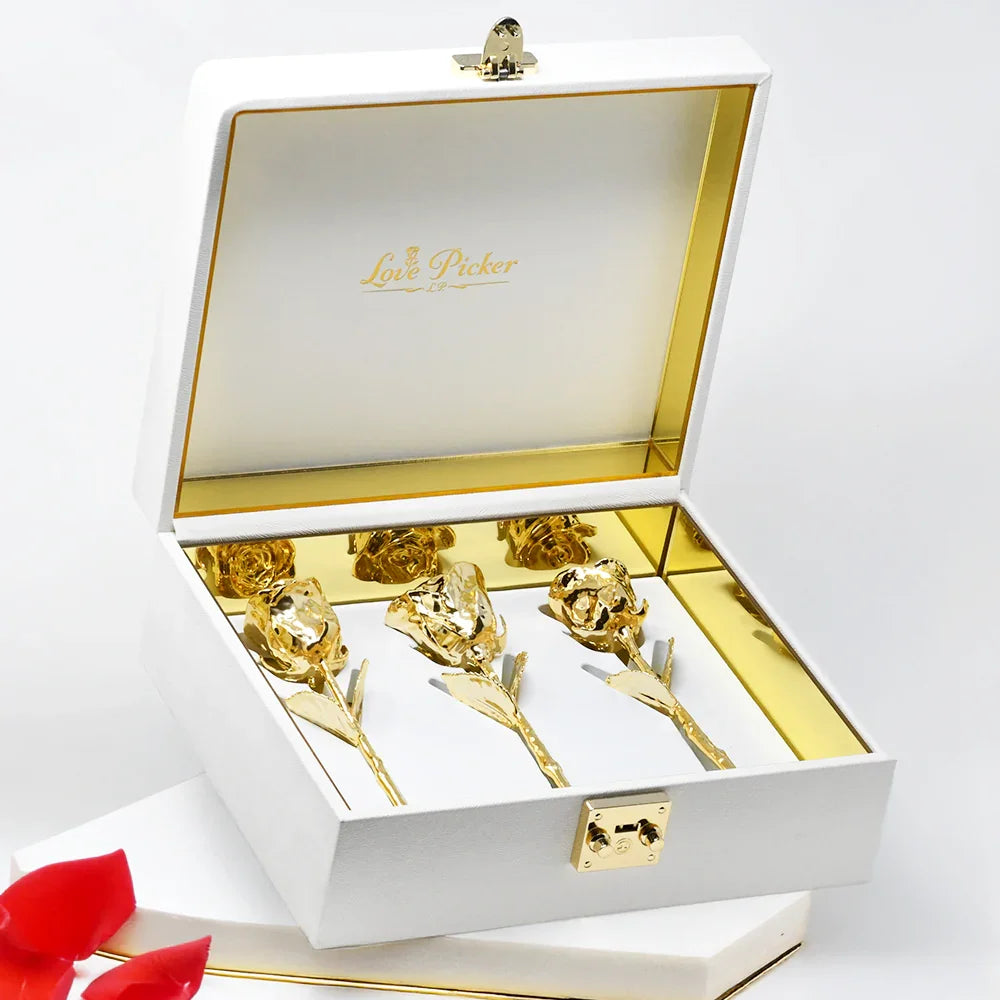
Metal-finished roses take even more time. Each petal is coated layer by layer, often by hand, to ensure the original structure of the rose remains intact beneath the metal. This process can take days or even weeks. You’re not paying for speed. You’re paying for patience and precision.
Time Replaces Convenience
Fresh flowers are fast. They’re grown, cut, shipped, and sold quickly because their lifespan is short. Forever roses move in the opposite direction. Time is built into their creation.
From careful harvesting to processing to curing and finishing, forever roses require extended handling and waiting periods. That time investment shows up in the final price. What you’re buying isn’t just a rose, it’s the ability to pause time at the rose’s best moment.
Longevity Changes The Value Equation
A fresh bouquet may cost less upfront, but it’s also replaced repeatedly. Forever roses shift the cost from recurring purchases to a single, lasting one.
When people ask why forever roses are expensive, the better comparison isn’t one bouquet versus one rose. It’s one rose versus many bouquets over time. For people who value longevity and symbolism, that shift in value often justifies the price.
Presentation Is Part Of The Product
Forever roses aren’t meant to be dropped into a vase. They’re designed to be displayed. That means packaging, structure, and protection are part of the experience.
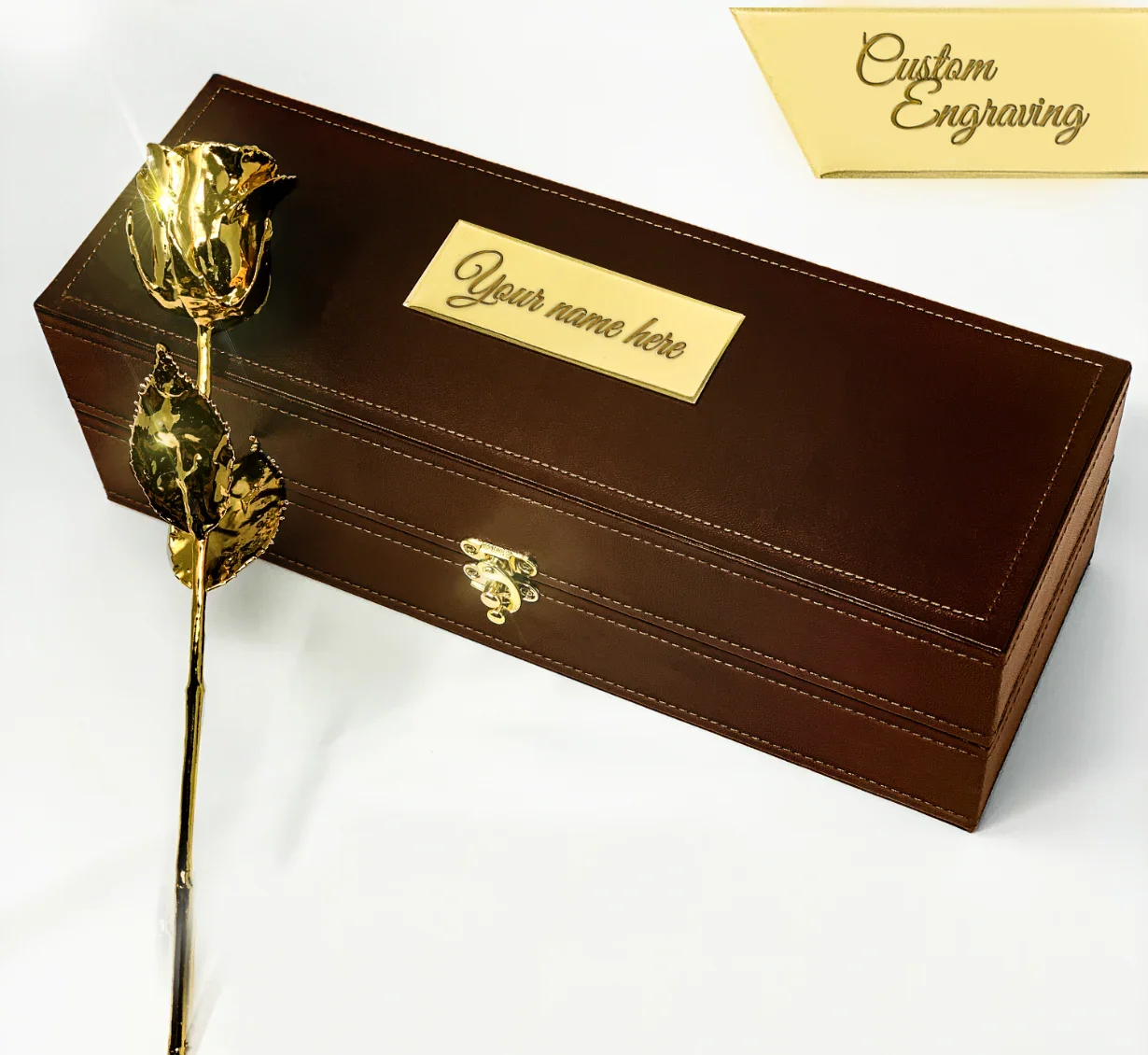
High-quality boxes, stands, domes, and display cases add cost, but they also extend lifespan and elevate perception. The rose is treated as a keepsake, not a consumable item. LovePicker leans into this idea by designing rose presentations that feel intentional rather than decorative filler.
Craftsmanship Over Scale
Mass-produced flowers benefit from scale. Forever roses benefit from craftsmanship. Many steps in the process can’t be fully automated without sacrificing quality.
Hand-finishing, careful inspection, and controlled environments all contribute to higher production costs. But they also ensure consistency and durability. When something is meant to last years or a lifetime, shortcuts become visible quickly.
Emotional Weight Plays A Role
Price isn’t only about materials and labor. It’s also about meaning. Forever roses are often chosen for moments where symbolism matters more than spectacle. Anniversaries. Milestones. Apologies. Commitments.
In those contexts, people aren’t buying decoration. They’re buying a physical representation of emotion. That emotional weight influences perceived value and willingness to invest in something that won’t disappear.
Why Cheaper Versions Often Disappoint
Lower-priced forever roses do exist, but they often cut corners in ways that aren’t obvious at first glance. Poor preservation leads to stiff petals. Thin metal coatings chip or dull. Inconsistent roses lose shape over time.
When forever roses fail early, the disappointment isn’t just about quality. It’s about broken expectations. A gift meant to last becomes a reminder that it didn’t. That’s why reputable brands, including LovePicker, focus on quality control rather than competing on the lowest price.
Are Forever Roses Worth The Cost?
That depends on what you want the gift to do. If the goal is a quick visual impact, fresh flowers make sense. If the goal is to create something that stays present, forever roses offer a different kind of value.
The question isn’t just why forever roses are expensive. It’s whether the meaning, longevity, and craftsmanship align with the moment you’re marking. For many people, the answer is yes.
Final Note
Forever roses cost more because they’re built differently, physically and emotionally. They require better starting materials, longer processes, skilled craftsmanship, and thoughtful presentation. Most importantly, they’re designed to last when ordinary flowers cannot.
Once you understand what goes into them, the price stops feeling arbitrary. It starts to feel intentional. And when chosen for the right moment, a forever rose becomes less about cost and more about what it continues to represent long after the day it’s given.